2026 Educator Job Market: 4 High-Demand Specialties & 12% Salary Premium

Anúncios
Latest developments on the Educator Job Market 2026, with key facts, verified sources, and what readers need to monitor next in Estados Unidos, presented clearly in Inglês (Estados Unidos) (en-US).
The 2026 Job Market for Educators: 4 High-Demand Specialties Promising a 12% Salary Premium (RECENT UPDATES, FINANCIAL IMPACT) is shaping today’s agenda with new details released by educational institutions and labor market analysts. This update prioritizes what changed, why it matters, and what to watch next, offering a straightforward news format for current and aspiring educators.
Recent projections indicate a significant evolution in the demand for specific teaching roles. These shifts are driven by technological advancements, evolving student needs, and policy changes, creating distinct opportunities for those aligned with these emerging fields.
Anúncios
Understanding these trends is crucial for career planning and professional development, as certain specialties are projected to not only see increased job openings but also command higher compensation.
Understanding the Evolving Educator Job Market Landscape
The landscape of education is continuously transforming, with the Educator Job Market 2026 reflecting broader societal and technological shifts. Educators must adapt to remain competitive and meet the dynamic needs of students.
Anúncios
This evolving environment presents both challenges and unparalleled opportunities, especially for those willing to specialize in critical areas. The demand for generalist teachers is giving way to a need for highly skilled professionals in niche fields.
Financial incentives, such as the projected 12% salary premium, are significant motivators for educators to pursue these specialized paths, ensuring a robust and well-compensated workforce.
Key Drivers of Change in Education
Several factors are influencing the direction of the Educator Job Market 2026, from demographic shifts to pedagogical innovations. These drivers are creating new roles and reshaping existing ones, demanding a proactive approach from educators.
Technological integration in classrooms, for instance, is no longer an option but a necessity, fostering a demand for educators proficient in digital learning tools and methodologies. Moreover, increased focus on inclusive education necessitates specialists.
Policy changes at federal and state levels, often in response to academic performance gaps or societal needs, also play a pivotal role in dictating where educational resources and, consequently, job opportunities are concentrated.
- Demographic shifts leading to increased diversity in student populations.
- Advancements in educational technology and digital learning platforms.
- Growing emphasis on individualized and inclusive education practices.
- Policy reforms focused on STEM education and early childhood development.
The Rise of High-Demand Specialties: A Closer Look
As the Educator Job Market 2026 progresses, four distinct specialties are emerging as frontrunners in terms of demand and financial reward. These areas address critical gaps and future-oriented educational needs across the United States.
These specialized roles require specific training and expertise, making them highly valuable assets to school districts and educational institutions. The investment in acquiring these skills is expected to yield substantial returns.
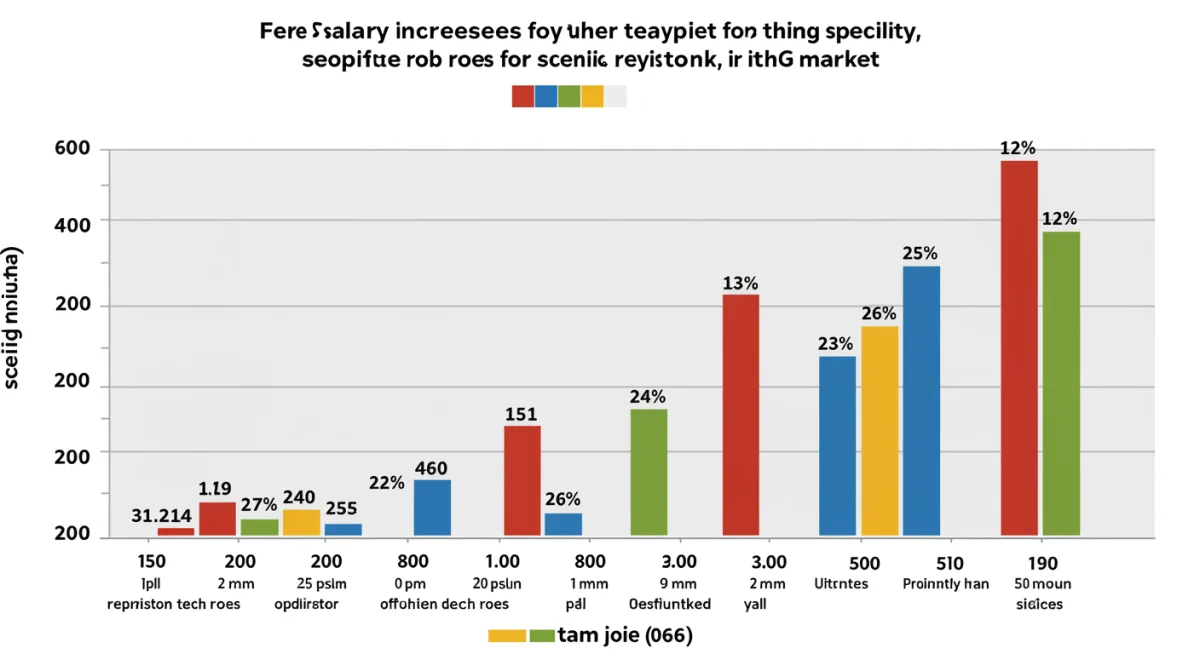
The projected 12% salary premium for these roles highlights the urgency and importance placed on these particular educational domains, signaling a clear path for professional growth.
Special Education Teachers
Special education continues to be an area of persistent and growing need, driven by increased identification of learning disabilities and a greater commitment to inclusive learning environments. These educators are crucial for providing tailored support.
The complexity of individualized education programs (IEPs) and the diverse needs of students with disabilities necessitate highly trained and compassionate professionals. This specialization demands ongoing professional development and a deep understanding of varied learning styles.
The demand for special education teachers is consistently high across all grade levels, making it a stable and rewarding career path with significant financial implications in the Educator Job Market 2026.
- Developing individualized education plans (IEPs) for diverse student needs.
- Implementing evidence-based instructional strategies for students with disabilities.
- Collaborating with parents, general education teachers, and support staff.
- Utilizing assistive technologies to facilitate learning and communication.
STEM Educators (Science, Technology, Engineering, Mathematics)
The emphasis on STEM education is stronger than ever, reflecting the needs of a technology-driven global economy. Qualified STEM educators are vital for preparing the next generation of innovators and problem-solvers.
This includes teachers specializing in computer science, robotics, advanced mathematics, and environmental science, among others. The scarcity of highly skilled STEM professionals often translates into higher salaries within the education sector.
Schools are actively seeking educators who can make these complex subjects engaging and accessible, underscoring the value of STEM specialization in the Educator Job Market 2026.
Early Childhood Education Specialists
The critical importance of early childhood development is increasingly recognized, leading to a surge in demand for highly qualified early childhood education specialists. These educators lay the foundational skills for lifelong learning.
Programs focusing on pre-kindergarten and kindergarten are expanding, requiring educators who understand child psychology, developmentally appropriate practices, and early literacy. This sector is witnessing significant investment.
The need for skilled professionals in this area is projected to grow substantially, making it a key specialty in the Educator Job Market 2026 with attractive compensation packages.
Bilingual and ESL Teachers
With increasing diversity in student populations, the demand for bilingual and English as a Second Language (ESL) teachers is skyrocketing. These educators are essential for supporting students from non-English speaking backgrounds.
They facilitate language acquisition while ensuring academic success across all subjects, bridging cultural and linguistic gaps within the classroom. Their role is pivotal in promoting equity and inclusion in education.
Schools actively seek teachers proficient in multiple languages, particularly Spanish, Mandarin, and Arabic, making this a highly sought-after and well-compensated specialty in the Educator Job Market 2026.
- Implementing language acquisition strategies for English learners.
- Providing culturally responsive instruction and support.
- Collaborating with families to support students’ academic and linguistic development.
- Assessing language proficiency and academic progress in diverse settings.
The Financial Impact: Why a 12% Salary Premium?
The projected 12% salary premium for these high-demand specialties is a direct reflection of market forces: supply and demand. There’s a limited pool of educators with the specialized skills needed for these critical roles, leading to increased compensation.
School districts are competing to attract and retain the best talent in these areas, understanding that the quality of education directly impacts student outcomes. This competition drives up salary offers and benefits packages.
Furthermore, the complexity and specialized training required for these positions justify higher pay, acknowledging the significant investment educators make in their professional development, making the Educator Job Market 2026 more lucrative for specialists.
Factors Contributing to Salary Growth
Several factors converge to create this favorable financial outlook for specialized educators. Budget allocations, often influenced by state and federal mandates, prioritize funding for these essential areas.
The measurable positive impact these specialists have on student achievement and overall school performance also validates the investment in higher salaries. Retention rates are also a concern, with higher pay being a key factor.
Professional organizations and unions are also advocating for competitive wages for educators in critical shortage areas, further contributing to the upward trend in salaries for these specialties within the Educator Job Market 2026.

Recent Updates and Policy Implications for Educators
Recent legislative updates and policy shifts are significantly influencing the Educator Job Market 2026, particularly for the four high-demand specialties. These changes aim to bolster educational quality and address critical shortages.
New funding initiatives, grants, and scholarship programs are being rolled out to encourage aspiring educators to pursue these specialized fields. These incentives are designed to ease the financial burden of advanced training.
Furthermore, states are refining certification requirements to ensure a consistent standard of excellence among specialized teachers, impacting how educators prepare for these roles.
Government Initiatives and Funding
Federal and state governments are increasingly investing in programs that support the growth of specialized education. This includes funding for professional development, recruitment efforts, and retention bonuses in high-need areas.
For instance, the Every Student Succeeds Act (ESSA) provides states with flexibility to use federal funds to address teacher shortages in specific subjects and geographic areas. This directly impacts the Educator Job Market 2026 by creating more opportunities.
These initiatives are crucial for building a robust pipeline of qualified educators in special education, STEM, early childhood, and bilingual education, ensuring sustained demand and competitive salaries.
- Increased federal grants for special education programs and teacher training.
- State-level scholarships and loan forgiveness for STEM and bilingual educators.
- Expansion of universal pre-kindergarten initiatives, requiring more early childhood specialists.
- Policy changes to streamline certification for out-of-state and alternative pathway educators.
Preparing for the Future: Strategies for Educators
For educators looking to thrive in the Educator Job Market 2026, strategic planning and continuous professional development are paramount. Identifying and pursuing one of these high-demand specialties can significantly enhance career prospects and earning potential.
This involves assessing current skills, identifying areas for growth, and actively seeking out relevant training and certification programs. Online courses, university programs, and workshops are excellent avenues for specialization.
Networking with professionals in these fields and staying informed about local and national educational trends will also provide a competitive edge, ensuring readiness for future opportunities.
Professional Development and Certification Pathways
Investing in advanced degrees, specialized certifications, or endorsements is a direct route to entering these high-demand fields. Many universities and educational organizations offer programs tailored to these specialties.
For example, a general education teacher might pursue a master’s degree in special education or an endorsement in ESL. These credentials signal expertise and commitment, making candidates more attractive to employers in the Educator Job Market 2026.
Many school districts also offer incentives for teachers to obtain these certifications, sometimes covering tuition costs or providing salary differentials upon completion, further sweetening the deal for aspiring specialists.
Impact on Educational Institutions and Student Outcomes
The shift in the Educator Job Market 2026 towards specialized roles has profound implications for educational institutions and, most importantly, for student outcomes. Schools benefit from a more skilled and targeted workforce.
With more special education, STEM, early childhood, and bilingual teachers, schools can offer a richer, more tailored educational experience. This leads to improved academic performance, enhanced social-emotional development, and greater equity.
Furthermore, institutions that proactively recruit and retain these specialists will likely see improved school ratings, increased parent satisfaction, and a more positive learning environment for all students.
Addressing Teacher Shortages and Retention
The focus on high-demand specialties and the associated salary premiums are strategic moves to address persistent teacher shortages in critical areas. By making these roles more attractive, districts hope to fill vacancies more effectively.
Competitive compensation, coupled with professional growth opportunities, can significantly improve teacher retention rates, reducing turnover and fostering a more stable and experienced teaching force. This is a critical aspect of the Educator Job Market 2026.
When educators feel valued and well-compensated, they are more likely to remain in the profession, contributing to long-term stability and continuous improvement in educational quality across the nation.
| Key Specialty | Projected Impact |
|---|---|
| Special Education | High demand due to inclusive education and increased identification. |
| STEM Education | Critical for a tech-driven economy; shortage of qualified educators. |
| Early Childhood | Growing need for foundational skill development and program expansion. |
| Bilingual/ESL | Essential for diverse student populations and language acquisition. |
Frequently Asked Questions About the Educator Job Market 2026
High-demand specialties are teaching roles experiencing significant shortages of qualified professionals, driven by evolving student needs, technological advancements, and policy shifts. These roles are essential for modern education and often receive additional funding and incentives, making them attractive career paths for the Educator Job Market 2026.
A 12% salary premium represents a substantial increase over average teacher salaries, serving as a powerful incentive for educators to specialize. This premium reflects the critical need for these skills and the competition among school districts to attract and retain top talent in the Educator Job Market 2026.
Current educators can pursue advanced degrees, certifications, or endorsements in one of the high-demand fields. Many universities offer flexible programs, and some school districts provide tuition assistance or professional development opportunities to help teachers make this transition, enhancing their prospects in the Educator Job Market 2026.
Yes, the factors driving demand for special education, STEM, early childhood, and bilingual/ESL teachers are largely systemic and long-term. As student demographics continue to diversify and technology integrates further into education, these specialties are expected to maintain their high demand well beyond the Educator Job Market 2026 period.
Aspiring educators should strongly consider specializing in one of these four high-demand areas. Doing so can lead to greater job security, faster career advancement, and significantly higher earning potential right from the start of their careers, making for a more rewarding entry into the Educator Job Market 2026.
Looking Ahead: The Future of Educational Careers
The insights into the Educator Job Market 2026 clearly indicate a future where specialized skills are not just valued but financially rewarded. This trend underscores a broader shift in educational priorities, emphasizing bespoke learning experiences and comprehensive support for all students.
Educators who embrace continuous learning and adapt to these evolving demands will find themselves at a significant advantage, both in terms of career opportunities and financial stability. The educational landscape is dynamic, and proactive engagement is key.
Monitoring ongoing policy discussions, technological advancements, and demographic shifts will remain crucial for all stakeholders, as these factors will continue to shape the trajectory of the Educator Job Market 2026 and beyond, ensuring a vibrant and responsive educational system for the United States.