Pension Plan Updates 2026: 1.2% Increase for Retirees
Anúncios
Pension Plan Updates for 2026: What a 1.2% Average Increase Means for Retirees breaks down the latest adjustments released by officials and industry sources.
This update prioritizes key facts, verified sources, and what changes US retirees need to monitor next. Read on for a straightforward breakdown of what has shifted, why it matters for your household budget, and how to adapt your financial planning.
Understanding the 2026 Pension Adjustments
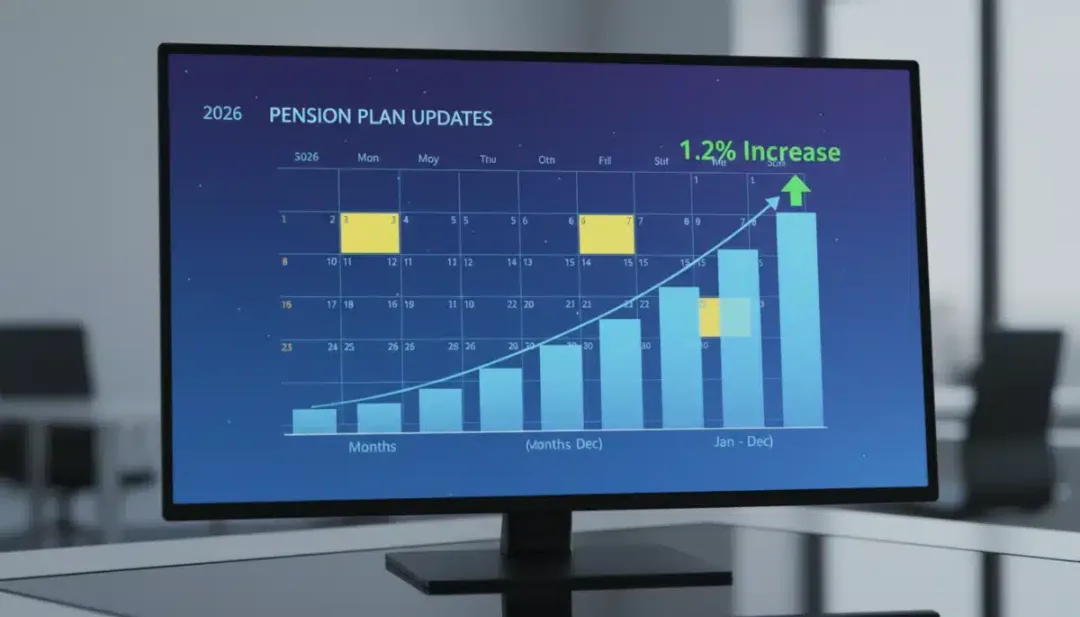
The projected 1.2% average increase in pension plans for 2026 represents a significant development for millions of retirees across the United States.
This adjustment, while seemingly modest, can have varied impacts depending on individual plan structures and economic conditions.
It is crucial for beneficiaries to understand the specifics of these Pension Plan Updates for 2026, as not all plans operate identically.
Anúncios
The increase is an average, meaning some retirees might see slightly more, while others could experience a slightly lower adjustment.
This section delves into the foundational aspects of these Pension Plan Updates for 2026, providing context and initial analysis of what this percentage signifies for the broader retirement landscape.
Factors Driving the 1.2% Average Increase
Several economic indicators and actuarial assessments contribute to the determination of pension adjustments. Inflation rates, investment returns, and demographic shifts all play pivotal roles in calculating future pension payouts.
For the Pension Plan Updates for 2026, analysis suggests that a combination of moderate inflation expectations and cautious investment growth has influenced the 1.2% figure.
This reflects a balanced approach to maintaining plan solvency while providing some relief to retirees.
Understanding these underlying factors is essential for comprehending why the 1.2% increase was arrived at and what it implies about the economic outlook for the coming years.
Economic Influences on Adjustments
Inflation, as measured by indices like the Consumer Price Index (CPI), directly impacts the purchasing power of retirees.
Anúncios
While the 1.2% increase aims to offset some inflationary pressures, its effectiveness will depend on actual inflation rates in 2026.
Investment performance of pension funds is another critical element. Strong returns can support higher increases, but conservative projections often lead to more moderate adjustments to ensure long-term stability.
- Inflationary pressures and their impact on retiree spending power.
- Investment returns of pension funds and their contribution to plan health.
- Demographic shifts, including life expectancy and retiree-to-worker ratios.
Actuarial Projections and Methodology
Actuaries meticulously analyze vast datasets to forecast future liabilities and assets of pension plans. Their projections are central to setting the annual adjustment rates, balancing adequacy for retirees with financial sustainability.
The methodology for the Pension Plan Updates for 2026 likely involved a thorough review of long-term economic forecasts and a careful assessment of funding levels. This ensures that the increase is both responsible and sustainable.
Impact on Retirees’ Purchasing Power
A 1.2% average increase, while positive, prompts questions about its real-world effect on retirees’ daily lives. The primary concern is whether this adjustment will keep pace with the rising cost of living.
Retirees often face unique financial challenges, including healthcare costs and fixed incomes. The Pension Plan Updates for 2026 must be viewed within the context of these ongoing expenses.
Analyzing the increase in relation to projected inflation and essential expenditure categories will provide a clearer picture of its actual benefit to beneficiaries.
Healthcare Costs and Inflation
Healthcare expenses continue to be a significant burden for many retirees, often rising faster than general inflation. A 1.2% increase may not fully cover these escalating costs, potentially leading to a squeeze on disposable income.
Retirees must factor in how these Pension Plan Updates for 2026 interact with their personal healthcare expenditures. Proactive financial planning becomes even more critical in this environment.
- Healthcare cost trends and their disproportionate impact on seniors.
- The gap between pension increases and medical expense inflation.
- Strategies for managing rising healthcare expenditures in retirement.
Cost of Living Adjustments (COLAs) Comparison
Many pension plans, including Social Security, incorporate Cost of Living Adjustments (COLAs) to help maintain purchasing power. Comparing the 1.2% average increase with broader COLA trends offers valuable perspective.
The Pension Plan Updates for 2026 figure might be lower or higher than other COLA adjustments, influencing a retiree’s overall financial health. This comparison helps retirees gauge the adequacy of their pension income.

Navigating Personal Financial Planning
For retirees, understanding the implications of the Pension Plan Updates for 2026 requires a proactive approach to personal financial planning. This involves reviewing budgets, assessing income sources, and potentially adjusting spending habits.
The 1.2% increase, while a component of retirement income, should be considered alongside other assets, investments, and potential sources of revenue. A holistic view is essential for long-term financial security.
Financial advisors often recommend re-evaluating retirement plans annually, and these Pension Plan Updates for 2026 provide a timely impetus for such a review.
Budgeting and Expenditure Review
Retirees should meticulously review their monthly budgets to understand how the 1.2% increase translates into real dollars. Identifying areas where adjustments can be made is key to optimizing financial resources.
Considering fixed versus variable expenses, and how the Pension Plan Updates for 2026 might alleviate or exacerbate budgetary pressures, is a practical step.
This ensures that essential needs are met while allowing for some discretionary spending.
- Analyzing current monthly income and expenses.
- Identifying flexible spending categories for potential adjustments.
- Projecting the net impact of the 1.2% increase on the overall budget.
Seeking Professional Financial Advice
Consulting with a qualified financial advisor can provide retirees with personalized guidance on navigating the Pension Plan Updates for 2026. Advisors can offer strategies tailored to individual circumstances and goals.
They can also help integrate the pension increase into a broader retirement income strategy, considering investments, savings, and other benefits. This professional insight is invaluable for making informed decisions.
Governmental and Regulatory Oversight
Pension plans, particularly those receiving federal oversight, are subject to stringent regulations designed to protect beneficiaries.
Governmental bodies continuously monitor plan solvency and ensure compliance with established guidelines.
The Pension Plan Updates for 2026 are part of this ongoing regulatory framework, reflecting efforts to maintain the stability and reliability of retirement benefits. Transparency in these processes is paramount for public trust.
Understanding the role of governmental oversight provides retirees with confidence in the long-term viability of their pension plans and the adjustments made.
ERISA and Pension Benefit Guaranty Corporation (PBGC)
The Employee Retirement Income Security Act (ERISA) sets minimum standards for most private industry pension plans, ensuring fair treatment for participants.
The Pension Benefit Guaranty Corporation (PBGC) insures defined-benefit plans, providing a safety net for retirees.
These entities play a crucial role in safeguarding pension benefits, including the proper implementation of the Pension Plan Updates for 2026. Their oversight helps mitigate risks associated with plan underfunding or mismanagement.
- The protective measures provided by ERISA for pension plan participants.
- PBGC’s role in insuring defined-benefit plans and its implications for retirees.
- How these regulatory bodies influence the stability of pension adjustments.
Future Legislative Considerations
Legislators periodically review and revise pension regulations to address evolving economic conditions and societal needs. Future legislative actions could further impact pension adjustments beyond the Pension Plan Updates for 2026.
Staying informed about potential legislative changes is important for retirees, as these could introduce new benefits, modify existing rules, or alter the funding mechanisms of pension plans.
Advocacy groups often play a role in shaping these discussions.
Comparing Public vs. Private Pension Adjustments
The nature of pension adjustments can vary significantly between public sector plans (e.g., state and municipal employee pensions) and private sector plans.
These differences often stem from distinct funding mechanisms, legal frameworks, and actuarial assumptions.
While the 1.2% average increase applies broadly, individual experiences with the Pension Plan Updates for 2026 might differ based on whether one is a public or private pension recipient.
Each sector operates under its own set of rules and constraints.
This comparison highlights the nuances in how these adjustments are determined and implemented across different types of pension schemes.
Public Sector Pension Dynamics
Public sector pensions are typically funded by a combination of employee contributions, employer contributions (often from taxpayers), and investment returns. Political decisions and legislative mandates can heavily influence their adjustment rates.
For the Pension Plan Updates for 2026, public plans might face different pressures, such as state budget constraints or specific collective bargaining agreements, leading to varied outcomes compared to private plans.
- Funding sources and political influences on public pension adjustments.
- The role of state and local legislation in determining increases.
- Potential for disparities in adjustments between different public pension systems.
Private Sector Pension Considerations
Private sector defined-benefit plans are largely governed by ERISA and specific company policies. Their adjustments are more directly tied to the financial health of the sponsoring company and the performance of the plan’s investment portfolio.
The Pension Plan Updates for 2026 for private plans will reflect these corporate-specific factors. Retirees in private plans should consult their plan administrators for precise details regarding their individual increases.
Long-Term Outlook and Future Considerations
Looking beyond the immediate Pension Plan Updates for 2026, it is important to consider the long-term sustainability of pension systems.
Demographic trends, such as an aging population and declining birth rates, pose significant challenges to traditional pension models.
These broader trends necessitate ongoing evaluations and potential reforms to ensure that pension plans remain viable for future generations of retirees. The 1.2% increase is one piece of a much larger, evolving puzzle.
Understanding the long-term outlook helps retirees and policymakers alike prepare for future adjustments and potential changes in retirement benefit structures.
Demographic Shifts and Sustainability
An increasing number of retirees coupled with a shrinking workforce places pressure on pay-as-you-go pension systems. This demographic imbalance requires careful management to prevent future shortfalls.
The Pension Plan Updates for 2026 are a short-term response, but long-term solutions will involve more comprehensive strategies. These could include adjustments to retirement ages, contribution rates, or benefit formulas.
- Impact of an aging population on pension fund solvency.
- Challenges posed by declining birth rates and workforce participation.
- Potential reforms to ensure the long-term sustainability of pension systems.
Technological Advancements in Pension Management
Technology is increasingly being leveraged to improve the efficiency and transparency of pension plan administration. Data analytics, AI, and blockchain could play a role in optimizing investment strategies and managing member records.
These advancements, while not directly impacting the Pension Plan Updates for 2026, could indirectly contribute to the long-term health and stability of pension funds.
Enhanced management can lead to better investment outcomes and more secure benefits.
Preparing for Future Pension Changes
Retirees and those nearing retirement should view the Pension Plan Updates for 2026 as a catalyst for ongoing financial preparedness.
The landscape of retirement benefits is dynamic, and continuous adaptation is key to maintaining financial well-being.
This preparation involves not only understanding current adjustments but also anticipating future changes.
Staying informed through reliable sources and engaging with financial professionals can empower individuals to make sound decisions.
Proactive engagement with one’s pension provider and a thorough understanding of plan documents are essential steps in this continuous preparation process.
Monitoring Official Announcements
Reliable information regarding pension adjustments typically comes from official government agencies, pension plan administrators, and reputable financial news outlets.
Retirees should prioritize these sources to avoid misinformation.
Subscribing to updates from your specific pension provider is crucial for receiving timely and accurate details about the Pension Plan Updates for 2026 and any subsequent adjustments.
Official communications often contain personalized information.
- Sources for accurate and timely pension information.
- Importance of direct communication from pension plan administrators.
- Avoiding scams and misleading information related to retirement benefits.
Diversifying Retirement Income Streams
Relying solely on a single pension source can be risky in an evolving financial environment. Diversifying retirement income through personal savings, investments, and part-time work can provide greater financial resilience.
The Pension Plan Updates for 2026 underscore the importance of not putting all financial eggs in one basket. A multi-faceted approach to retirement income can help absorb unexpected changes or economic downturns.
| Key Point | Brief Description |
|---|---|
| 1.2% Average Increase | Projected adjustment for pension plans in 2026, impacting retiree benefits. |
| Inflationary Impact | Increase’s effectiveness depends on actual inflation rates and cost of living. |
| Financial Planning | Retirees should review budgets and seek advice to manage changes effectively. |
| Regulatory Oversight | Government agencies ensure plan stability and protection for beneficiaries. |
Frequently Asked Questions About Pension Plan Updates for 2026
What exactly does a 1.2% average increase mean for my pension?▼A 1.2% average increase means your pension payment will likely rise by that percentage in 2026. However, this is an average, so your specific plan might have a slightly different adjustment based on its unique structure and funding status. Always check with your pension administrator for precise details.
Will the 1.2% increase keep up with inflation?▼Whether the 1.2% increase outpaces or lags behind inflation depends on the actual inflation rate in 2026. Historically, healthcare costs have risen faster than general inflation. It’s crucial to compare this increase against your personal cost of living, especially for essential expenses like medical care.
What factors determined the 1.2% increase for Pension Plan Updates for 2026?▼The 1.2% increase for Pension Plan Updates for 2026 was likely determined by a combination of economic factors. These include projected inflation rates, the investment performance of pension funds, and actuarial assessments of long-term plan liabilities and assets. It reflects a balancing act between beneficiary needs and plan sustainability.
What should retirees do to prepare for these Pension Plan Updates for 2026?▼Retirees should proactively review their personal budgets and financial plans. It’s advisable to consult with a financial advisor to understand the specific impact on your income and explore strategies for managing expenses. Staying informed via official communications from your pension provider is also essential for these Pension Plan Updates for 2026.
Are all pension plans affected uniformly by the 1.2% average increase?▼No, not all pension plans will be affected uniformly. The 1.2% is an average. Public and private pension plans often have different funding structures and regulatory oversight, leading to varied adjustment mechanisms. Your specific plan details will dictate the exact increase you receive as part of the Pension Plan Updates for 2026.
What This Means
The Pension Plan Updates for 2026, featuring a 1.2% average increase, signal a continuous effort to adjust retiree benefits in a fluctuating economic landscape.
This development underscores the importance of individual financial vigilance and proactive planning.
Retirees must scrutinize how this adjustment aligns with their personal cost of living, particularly regarding healthcare expenses, and consider diversifying income streams.
To explore wider federal initiatives aimed at boosting your long-term wealth, reviewing the official White House policy on expanding retirement savings access offers valuable context on emerging tools designed to maximize individual financial security.
Monitoring official announcements and seeking professional financial advice remain critical steps to navigate these changes effectively and ensure long-term financial stability.