US Air Quality Drops 8%: Environmental Watch Report
Anúncios
En 2026, la gestión de la política ambiental se rige bajo un modelo técnico conocido como “Mitigación de Contaminación Atmosférica Convectiva.”
El aumento de eventos climáticos extremos y las cambiantes condiciones industriales exigen equilibrar el cumplimiento de los Estándares Nacionales de Calidad del Aire (NAAQS) frente a los contaminantes críticos.
Esta actualización cubre el reporte de Environmental Watch: Latest Report Shows 8% Decrease in US Air Quality Over Past 6 Months—enfocándose directamente en las causas de este declive, los impactos en la salud pública y las medidas proactivas que reguladores y ciudadanos deben monitorear a continuación.
Understanding the Recent US Air Quality Drop
The recent Environmental Watch report provides a comprehensive analysis of the factors contributing to the 8% US Air Quality Drop.
This decline is attributed to a complex interplay of increased industrial emissions, persistent wildfire smoke, and unfavorable meteorological conditions that trap pollutants closer to the ground.
Anúncios
These elements have collectively exacerbated existing air quality challenges in numerous metropolitan and rural areas.
Data collected from monitoring stations across the country indicates a widespread deterioration, rather than isolated incidents.
This broad impact suggests systemic issues that require a multi-faceted approach, moving beyond localized interventions to address the root causes at a national level.
The report emphasizes the need for immediate and sustained efforts to reverse this alarming trend.
Experts are now examining how these factors interact, noting that climate change may be intensifying some of these phenomena, such as prolonged drought conditions leading to more severe wildfire seasons.
The interconnectedness of these environmental challenges underscores the urgency of integrated policy solutions to protect public health and ecological systems from further degradation.
Key Contributing Factors Identified
- Increased Industrial Activity: A post-pandemic economic rebound has seen a rise in manufacturing and energy production, leading to higher emissions from factories and power plants. This surge has directly contributed to the overall US Air Quality Drop, particularly in industrial corridors.
- Persistent Wildfire Smoke: Western states, in particular, have experienced prolonged and intense wildfire seasons, with smoke plumes traveling thousands of miles and affecting air quality far from the source. These events are becoming more frequent and severe, presenting a significant challenge to air purity.
- Adverse Weather Patterns: Stagnant air masses and temperature inversions have been identified as key meteorological factors, trapping pollutants close to the surface and preventing their dispersion. Such conditions amplify the impact of existing emissions, leading to higher concentrations of harmful particles.
The combination of these elements creates a challenging scenario for air quality management. Addressing each factor individually, while also considering their synergistic effects, is critical for any meaningful intervention strategy.
Anúncios
The report highlights regions most affected, urging targeted actions.
Regional Impacts and Health Implications of the Air Quality Drop
The 8% US Air Quality Drop is not uniformly distributed across the nation; certain regions bear a disproportionately heavy burden.
Metropolitan areas with high population densities and industrial hubs are experiencing some of the most severe impacts, leading to elevated health risks for residents.
Understanding these regional disparities is essential for resource allocation and policy implementation.
Public health officials have voiced grave concerns regarding the increased prevalence of respiratory illnesses, cardiovascular problems, and other chronic conditions linked to poor air quality.
Vulnerable populations, including children, the elderly, and individuals with pre-existing health conditions, are particularly susceptible to these adverse effects.
The report underscores the immediate need for enhanced public health advisories and protective measures.
Long-term exposure to elevated levels of air pollutants can have cumulative and irreversible health consequences, placing a significant strain on healthcare systems.
The economic costs associated with treating pollution-related illnesses, coupled with productivity losses due to sickness, add another layer of urgency to the issue.
This makes the US Air Quality Drop a multifaceted crisis requiring immediate attention.
Health Concerns and Vulnerable Populations
- Respiratory Ailments: Increased cases of asthma attacks, bronchitis, and other respiratory infections have been reported, especially among children and the elderly. Fine particulate matter (PM2.5) can penetrate deep into the lungs, causing inflammation and damage.
- Cardiovascular Diseases: Exposure to air pollution has been linked to an elevated risk of heart attacks, strokes, and other cardiovascular problems. Pollutants can trigger systemic inflammation and affect blood vessel function, contributing to a higher incidence of these conditions.
- Neurological Impacts: Emerging research suggests a correlation between air pollution and neurological issues, including cognitive decline and an increased risk of neurodegenerative diseases. This area requires further investigation but adds to the growing list of health concerns.
The Environmental Watch report emphasizes that these health impacts are not theoretical; they are manifesting in real-time within communities across the United States.
Local health departments are grappling with the consequences, prompting calls for stronger regulatory frameworks and public awareness campaigns.
The US Air Quality Drop necessitates a robust public health response.
Regulatory Responses and Policy Challenges
In response to the 8% US Air Quality Drop, federal and state environmental agencies are facing immense pressure to re-evaluate existing regulations and implement more stringent control measures.
The Environmental Protection Agency (EPA) is reportedly reviewing current emission standards for industries and vehicles, considering updates to address the deteriorating air quality trends.
These policy adjustments are crucial for long-term improvement.
However, implementing new regulations often encounters resistance from industrial sectors concerned about economic impacts and compliance costs.
Balancing environmental protection with economic development remains a significant challenge for policymakers.
The effectiveness of any new policy will depend on strong enforcement mechanisms and public-private collaboration to achieve desired outcomes.
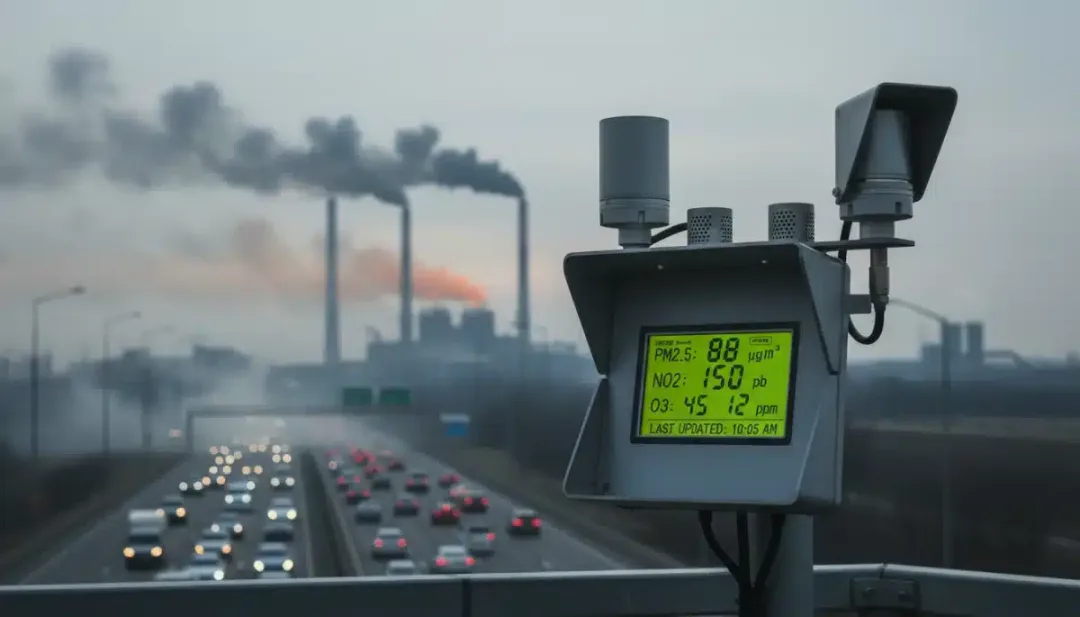
Furthermore, the interstate and international nature of air pollution, particularly from wildfires and industrial plumes, complicates regulatory efforts.
Addressing sources beyond immediate jurisdictional control requires cooperative agreements and coordinated strategies among different governmental bodies.
This highlights the complexity of tackling the nationwide US Air Quality Drop effectively.
Legislative Efforts and Industry Compliance
Several legislative proposals are currently under consideration to strengthen air quality standards and provide incentives for cleaner technologies.
These initiatives aim to reduce emissions from major polluters, including power plants and transportation sectors, which are significant contributors to the US Air Quality Drop.
The political landscape plays a crucial role in advancing such environmental legislation.
Industry compliance with environmental regulations is a critical component of any successful air quality improvement strategy.
The report highlights areas where current compliance levels may be insufficient, suggesting the need for more rigorous monitoring and accountability mechanisms.
Encouraging the adoption of sustainable practices and green technologies is also a key focus for future policy directions.
While regulations are vital, voluntary actions by industries and individuals also play a significant role.
Public awareness campaigns can foster a sense of shared responsibility, encouraging behaviors that reduce personal carbon footprints and support cleaner air initiatives.
The collective effort is paramount in mitigating the ongoing US Air Quality Drop.
Technological Solutions and Innovations for Cleaner Air
Addressing the 8% US Air Quality Drop will heavily rely on the development and widespread adoption of innovative technological solutions.
Advances in renewable energy, electric vehicles, and industrial emission control systems offer promising pathways to significantly reduce pollutant levels.
Investing in research and development for these technologies is a key strategy for long-term air quality improvement.
For instance, the transition to electric vehicles (EVs) and the expansion of public transportation infrastructure can substantially curb tailpipe emissions, a major contributor to urban air pollution.
Similarly, carbon capture technologies and improved filtration systems in industrial facilities can minimize harmful discharges into the atmosphere. These innovations are crucial for tackling the US Air Quality Drop.
Smart city initiatives, leveraging sensors and data analytics to monitor and manage air quality in real-time, also present an opportunity for proactive intervention.
By identifying pollution hotspots and predicting high-risk periods, cities can implement targeted measures to protect residents and improve overall environmental health.
This forward-thinking approach is essential for sustainable urban development.
Promising Technologies and Their Impact
- Renewable Energy Systems: Shifting from fossil fuels to solar, wind, and hydroelectric power dramatically reduces emissions from electricity generation. This fundamental change is vital for a sustainable future and directly combats the US Air Quality Drop.
- Electric Vehicle Adoption: Accelerating the transition to EVs, coupled with robust charging infrastructure, eliminates vehicle exhaust emissions. This not only improves urban air quality but also reduces reliance on fossil fuels.
- Advanced Filtration and Scrubbers: Industrial innovations in air purification and exhaust treatment technologies can significantly reduce the release of particulate matter and harmful gases from factories and power plants. These systems are continuously evolving to be more efficient.
These technological advancements, combined with supportive policies, offer a tangible path forward in mitigating the impact of the US Air Quality Drop.
Collaborative efforts between government, industry, and academia are crucial for bringing these solutions to scale and ensuring their widespread implementation.
The Role of Citizen Science and Community Engagement
Citizen science initiatives are playing an increasingly vital role in monitoring and understanding the 8% US Air Quality Drop.
Community-led projects, utilizing low-cost sensors and mobile applications, are empowering residents to collect and share localized air quality data.
This grassroots effort complements official monitoring networks, providing a more granular view of pollution patterns and their impacts on specific neighborhoods.
Engaged communities can act as powerful advocates for cleaner air, demanding accountability from local authorities and industries.
Public awareness campaigns, educational programs, and community forums foster a collective understanding of air quality issues and galvanize support for environmental protection measures.
This bottom-up approach is critical for sustained progress against the US Air Quality Drop.
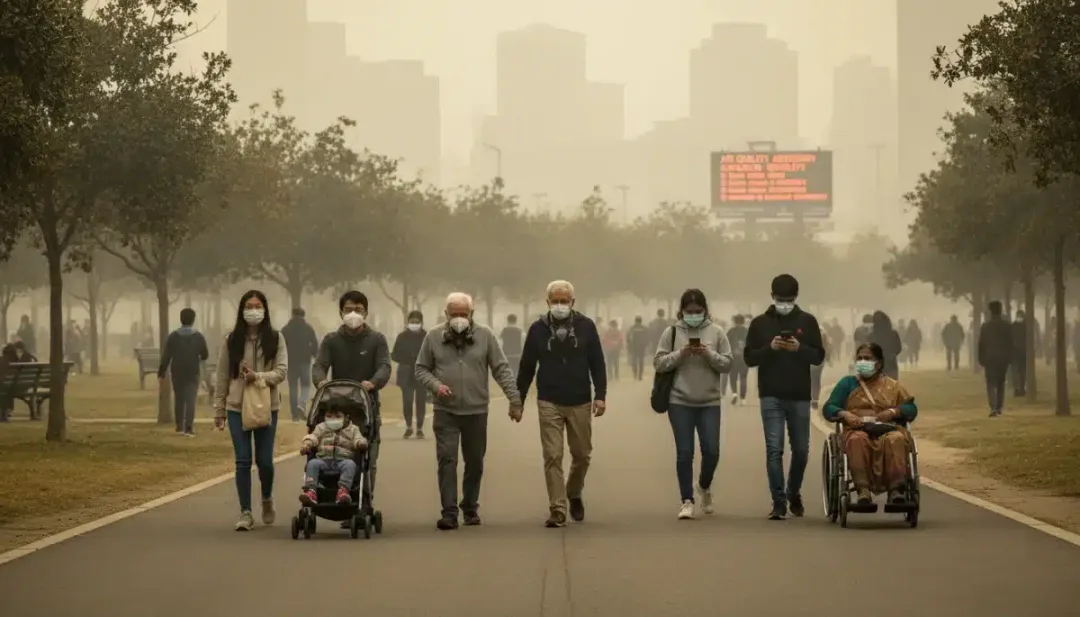
Furthermore, community engagement can drive behavioral changes, encouraging individuals to adopt more sustainable lifestyles, such as reducing energy consumption, opting for public transport, and supporting businesses with strong environmental records.
These collective actions, though seemingly small, contribute significantly to broader air quality improvements. The power of collective action is immense in addressing the US Air Quality Drop.
Empowering Communities for Cleaner Air
Providing communities with accessible tools and information about air quality empowers them to make informed decisions and advocate for their health.
Workshops on understanding air quality indices, the health effects of pollutants, and practical steps for reducing exposure are invaluable. This knowledge transfer is essential for effective environmental action.
Local environmental groups and non-profit organizations are instrumental in mobilizing community action and connecting residents with scientific resources.
These organizations often facilitate data collection, organize clean-up drives, and lobby for stronger environmental policies at the local and state levels. Their role is indispensable in the fight against the US Air Quality Drop.
By fostering a culture of environmental stewardship and active participation, citizen science and community engagement can become powerful forces for positive change.
These initiatives not only help to monitor the US Air Quality Drop but also drive the collective will needed to reverse the trend and build healthier, more resilient communities across the United States.
Future Outlook and Long-Term Strategies for US Air Quality
The 8% US Air Quality Drop over the past six months highlights the urgent need for robust long-term strategies to ensure cleaner air for future generations.
This includes a sustained commitment to reducing greenhouse gas emissions, transitioning to a circular economy, and investing in green infrastructure projects.
A comprehensive approach is required to address the multifaceted challenges of air pollution.
Long-term success will depend on continuous scientific research and innovation, allowing for the development of more effective pollution control technologies and a deeper understanding of atmospheric processes.
International cooperation also plays a crucial role, as air pollution often transcends national borders, requiring global solutions to global problems. The challenge of the US Air Quality Drop is ongoing.
Ultimately, a shift in societal values towards greater environmental consciousness and sustainability will be paramount.
Education, policy incentives, and public awareness campaigns can foster a culture where clean air is recognized as a fundamental right and a shared responsibility.
This holistic perspective is essential for reversing the US Air Quality Drop and securing a healthier future.
Strategic Pillars for Air Quality Improvement
- Decarbonization of Energy Systems: Accelerating the shift away from fossil fuels to renewable energy sources is the cornerstone of long-term air quality improvement. This includes scaling up solar, wind, and geothermal power generation.
- Sustainable Urban Planning: Designing cities with efficient public transport, green spaces, and reduced reliance on private vehicles can significantly lower urban air pollution. Promoting walkability and cycling are also key.
- Enhanced Regulatory Frameworks: Continuously updating and enforcing stricter emission standards for all pollution sources, coupled with effective monitoring and accountability mechanisms, is crucial. This proactive regulation will prevent future US Air Quality Drop scenarios.
These strategic pillars, when implemented cohesively, offer a roadmap for not only recovering from the current US Air Quality Drop but also for achieving sustained improvements in air quality across the United States.
The commitment of all stakeholders — government, industry, and citizens — will be vital in this endeavor.
| Key Finding | Brief Description |
|---|---|
| 8% Air Quality Drop | Environmental Watch report confirms significant decline in US air quality over six months. |
| Primary Causes | Increased industrial emissions, wildfire smoke, and adverse weather patterns identified as main contributors. |
| Health Impacts | Elevated risks for respiratory, cardiovascular, and neurological conditions, particularly for vulnerable groups. |
| Policy & Solutions | Regulatory review, technological innovations, and community engagement are crucial for mitigation. |
Frequently Asked Questions About US Air Quality
What does the 8% US Air Quality Drop signify?▼The 8% drop indicates a measurable and concerning deterioration in the overall cleanliness of the air across the United States. This means higher concentrations of pollutants are present, leading to increased health risks and environmental damage, as reported by Environmental Watch.
Which areas are most affected by the US Air Quality Drop?▼While the decline is nationwide, urban centers with heavy traffic and industrial activity, alongside regions impacted by frequent wildfires, are experiencing the most significant deterioration. These areas face heightened health advisories and environmental challenges.
What immediate actions are being taken to address the US Air Quality Drop?▼Federal and state agencies are reviewing current emission standards and exploring new regulatory measures. Public health advisories are being updated, and there’s an increased focus on monitoring and reporting real-time air quality data to affected communities.
How can individuals protect themselves from poor air quality?▼Individuals can monitor local air quality reports, limit outdoor activities on high pollution days, use air purifiers indoors, and wear N95 masks when necessary. Supporting policies that promote cleaner air also contributes to collective protection efforts.
What are the long-term implications of this US Air Quality Drop?▼Long-term implications include increased public health burdens, potential economic costs from healthcare and productivity losses, and ecological damage. It also underscores the urgency for sustainable energy transitions and stricter environmental policies to prevent further declines.
What Happens Now
The significant 8% US Air Quality Drop demands immediate and concerted action from all sectors.
Policymakers must prioritize robust regulatory frameworks and incentivize cleaner technologies, while industries need to accelerate their transition to sustainable practices.
Citizens, for their part, can contribute through informed choices and active community engagement.
The path forward involves a collective commitment to safeguarding public health and the environment, ensuring that the current decline serves as a catalyst for lasting positive change.
Continued monitoring and adaptation will be crucial in the ongoing effort to improve the US Air Quality Drop.
Para examinar los informes interactivos de emisiones por zonas, auditar los datos históricos de contaminantes criterio y revisar los resúmenes de monitoreo en todo el territorio estadounidense, explore la plataforma oficial de la EPA Air Quality National Summary.